Social media automation
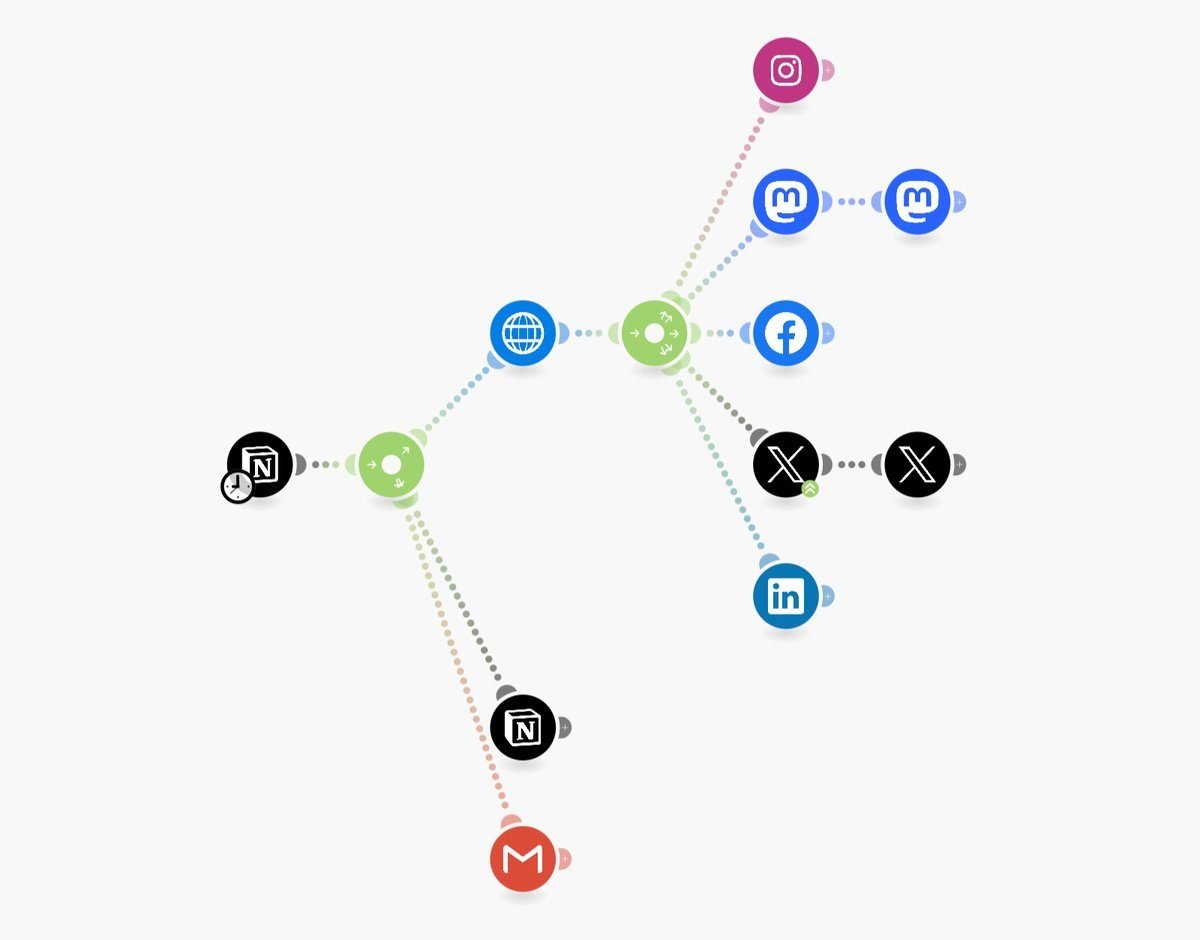
Social media automation: strategies to optimise your online presence
Social media automation has become an essential tool for businesses in 2025. It optimises how posts are managed and how they perform, making it easier to interact and engage with your audience. Ranklab Studio offers the right strategies and tools to implement automation effectively. With advanced technology, brands can save resources and improve their online presence.
The advantages of automating your social media in 2025
Social media automation brings businesses many benefits in 2025. Below are the main advantages that make management more effective and efficient.
Saving time and resources in social media management
The first and most obvious advantage of automation is saving time on tasks that are repeated constantly. Teams can schedule posts to go out automatically on several platforms, which minimises the need for daily manual work. By automating these processes, digital marketers and content creators can focus on more strategic activities.
These time savings don't just make better use of people, they also make better use of the available budget. Businesses can then invest more in creating relevant content and in interacting directly with their audience.
How to improve the performance of your posts automatically
Automation tools analyse data to identify the best time to publish content. Thanks to this analysis, posts reach the right audience, increasing the chances of interaction. Metrics such as clicks and shares are easy to track and let brands adjust their strategy in real time.
Scheduling content at the most effective moments creates a positive feedback loop that improves the overall performance of your digital strategy. In addition, algorithms that analyse audience behaviour help optimise posts, ensuring the content is relevant and engaging.
Increasing engagement with smart automation
Smart automation is not limited to scheduling posts; it also includes strategies to encourage engagement. Modern tools let you interact with your audience at the right moment, replying automatically to comments and direct messages, which gives users a smoother experience.
With automation, brands can stay active on multiple platforms without sacrificing the quality of their interactions. This approach not only saves time but also improves how the brand is perceived, building a stronger bond with users. The key is finding the right balance between automation and human interaction, which leads to a significant increase in engagement.
Tools to automate social media publishing
Choosing the right tools is crucial to optimise social media publishing. There are many options that make it easier to manage and schedule content, improving your digital presence and engagement.
Comparing the best social media automation tools
To help you choose, here are some of the leading tools on the market, with their main advantages and features.
Hootsuite: features and benefits for scheduling your content
Hootsuite is known for its versatility and wide range of features. It lets you manage multiple platforms from a single dashboard. Its capabilities include post scheduling, performance analysis and team collaboration.
Brand24 and social listening for reputation management
Brand24 makes it easy to monitor mentions across many platforms. The tool focuses on online reputation management, offering features such as sentiment analysis and real-time alerts. It is crucial for spotting problems before they escalate.
ContentStudio and AI-powered content creation
ContentStudio stands out for creating and scheduling content efficiently. It uses artificial intelligence to generate engaging posts, letting users optimise their content strategy in a single click.
Zoho Social: connecting social media and CRM
Zoho Social offers effective integration between social media and CRM. It allows post scheduling, interaction management and detailed reports on campaign performance. Ideal for teams that want to bring their marketing efforts together.
Other key tools to automate repetitive tasks
- Metricool: scheduling and performance analysis in one place.
- NextScripts: automatically shares blog posts on social media, increasing the reach of your content.
- SkedSocial: focused on Instagram, it lets you schedule posts, including stories.
Evaluating and choosing the best automation tool for your business
Choosing the right tool requires a careful look at each business's specific needs. Considering several factors will help you adopt the most effective option.
Requirements based on your digital marketing goals
Defining your marketing goals is the first step in choosing a tool. Different platforms offer features suited to different aims, such as increasing engagement, improving reputation management or creating more effective content.
Trials and plans to make the most of your efforts
Most tools offer free trial periods. Testing several alternatives will help you identify the one that best fits your business. Planning the rollout and adjusting based on results will also be essential to get the most out of your social media management.
Strategies for creating and scheduling effective posts
The right strategies for creating and scheduling posts are key to maximising your impact on social media. Below are approaches that help optimise these processes and build a stronger presence.
Designing a social media strategy that matches your goals
It is crucial to set a strategy adapted to the brand's specific goals. This means understanding your target audience and defining what type of content will capture their interest. Market research and competitor analysis are essential steps in this process.
Communicating the brand's value proposition clearly and concisely makes it easier to connect with the audience. Attractive visuals and the right tone of voice are key to resonating with followers.
Planning and scheduling content across platforms
Publishing consistently across platforms is essential to build brand identity. Creating a content calendar is a recommended practice that helps organise posts and ensure regularity.
Scheduling your posts at the best time based on data
Analytics tools identify the best times to post, maximising reach and interaction. By looking at your audience's activity patterns, you can adapt your publishing times for maximum impact.
Adapting content to each social network
Each social network has its own format and audience, so messages and content types need to be adjusted to each platform. For example, images need to be more eye-catching on Instagram, while LinkedIn can favour more technical text.
How to automate your posts without losing the human touch
Automation tools lighten the workload, but keeping a human touch in your communication is vital. Automation should not replace genuine interactions; it should complement them.
Why personalised replies to direct messages matter
Replying to direct messages in a personalised way strengthens the connection with followers. A human approach to communication can set a brand apart in a crowded digital environment. Automatic replies that are warm and adaptable can be a good compromise.
Avoiding common mistakes in social media automation
- Relying exclusively on automated content can make communication feel less authentic.
- Posting the same content on every platform without adapting it can come across as unappealing.
- Not monitoring interactions can mean missing engagement opportunities or ignoring constructive criticism.
It is essential to keep an eye on how social networks evolve and stay flexible enough to adjust in real time, so the strategy remains effective and relevant to your target audience.
Advanced management of social media accounts and campaigns
Advanced account and campaign management has become essential for any brand that wants to optimise its digital presence. In this context, monitoring techniques and the right tools can make a real difference to how strategies perform.
Real-time monitoring and data analysis to optimise campaigns
Real-time monitoring has become an essential practice for adjusting and improving social media campaigns. Brands can react quickly to audience interactions, which is crucial to staying relevant and engaging.
Using automated reports to improve your social media marketing
Automated reports make it easy to get relevant data on post performance. These tools can provide quantitative and qualitative analysis, helping marketers spot patterns and opportunities for improvement. Reports can include metrics such as reach, click-through rate and engagement, which are vital for decision-making.
Analysing keywords and trends to improve your posts
Regularly analysing keywords and trends is key to maximising the impact of your posts. Advanced tools show which terms your audience uses most and how conversations around the brand are evolving. Content strategies can then be adapted to match the audience's interests and needs.
Managing several accounts and platforms from one dashboard
Managing multiple accounts can get complicated without the right tools. Centralising processes lets teams manage several platforms from one place, increasing efficiency and reducing the risk of errors.
Tools to manage your social media accounts efficiently
Many tools make centralised social media account management easier. These platforms combine scheduling, monitoring and analysis, allowing for more agile and consistent management. Standout features include bulk post scheduling and performance tracking from a single dashboard.
Organising and assigning tasks in social media teams
Organising tasks properly in social media teams is vital to maximise productivity. Management tools let you assign specific responsibilities and keep communication clear between team members. This ensures every post and reply is aligned with the brand's overall strategy.
Automating social media marketing through integrated services
Social media marketing automation gets richer when different platforms and services are integrated. A holistic approach can significantly improve campaign effectiveness.
Integrating email marketing campaigns with social platforms
Combining email marketing campaigns with social media strategies helps you reach your audience more effectively. Social interactions can drive traffic to email campaigns and vice versa, multiplying conversion opportunities. This integration is key to a cohesive digital marketing strategy.
Automatically re-sharing older content to maximise reach
Re-sharing older content is an effective way to stay relevant without constantly creating new material. Automation tools can schedule content that performed well in the past, so more users keep engaging with valuable, relevant information.
Automation and content creation with artificial intelligence
Bringing artificial intelligence into social media automation has transformed how content is created and scheduled. These tools not only save time but also improve the relevance and impact of what is published across platforms.
The benefits of AI tools for creating and scheduling posts
AI solutions offer significant advantages for anyone managing social media. The most notable include:
- Content optimisation by analysing trends and engagement patterns.
- Automated post generation, keeping a steady publishing rhythm without sacrificing quality.
- Adapting the style and tone of content to match the brand's personality.
AI makes it easier to personalise messages, which is essential to connect with different audience segments. This leads to more effective interaction and greater brand recognition in a competitive environment.
How to use artificial intelligence to optimise your posts on Instagram and other networks
Using AI tools on platforms such as Instagram, Facebook or Twitter lets you harness data to improve the visibility of your posts. This can be done through:
- Working out the best time to post based on followers' past activity.
- Audience segmentation by analysing preferences and behaviour, tailoring communication to specific interests.
- Creating relevant hashtags that maximise reach and improve content discovery.
These approaches ensure every post is designed to make the most impact, achieving higher interaction and conversion rates.
Limitations and good practice when automating content with AI
Despite the benefits, it is important to keep in mind the limitations of using artificial intelligence to manage content. When implementing it, adopt these good practices:
- Don't rely on automation alone. Human interaction is still crucial to build genuine connections with your audience.
- Watch the tone and context. AI may miss cultural or emotional nuances, so it is essential to review generated content before publishing.
- Monitor the results of automated posts and adjust your strategy based on real metrics and audience feedback.
Keeping these considerations in mind will help ensure that automation and AI benefit your overall content strategy without compromising the authenticity of your communication with followers.

Monitoring, social listening and automated replies
Efficient monitoring and social listening are essential tools in social media management. They not only protect a brand's reputation but also build a closer connection with the audience through automated, proactive replies.
How to use social listening to protect your brand's reputation
Social listening is the ability to track and analyse what is being said about a brand, product or service on digital platforms. Putting it into practice is essential to anticipate possible crises and manage the company's reputation.
Some of the most effective uses of social listening include:
- Identifying brand mentions: setting up alerts whenever the company is mentioned on social media or forums.
- Sentiment analysis: assessing whether mentions are positive, negative or neutral, giving a clear view of the impact on reputation.
- Trend detection: seeing which topics matter to consumers, which can help adjust communication and marketing strategies.
Building a social listening strategy means choosing the right tools to automate the process, allowing constant monitoring and an effective response to adverse situations.
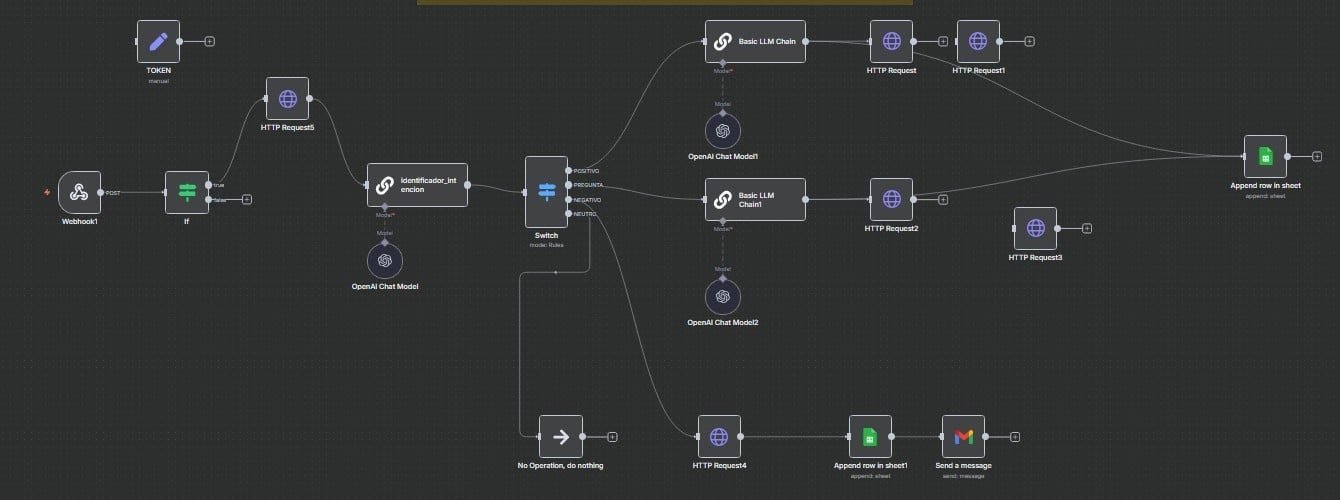
Setting up automatic alerts for proactive management
Setting up automatic alerts is a crucial step in social media management, as it ensures that mentions and conversations about the brand are monitored in real time. This lets businesses respond quickly to comments or criticism, preventing small problems from turning into bigger crises.
Automatic alerts can be handled in several ways, such as:
- Instant notifications: getting an alert every time the brand is mentioned, making a quick response easier.
- Periodic reports: generating reports that analyse brand perception at regular intervals, allowing the strategy to be adjusted.
- Custom settings: adjusting alert parameters by content type or platform to fit the brand's specific needs.
Active management through automatic alerts not only protects the brand's reputation but also improves the customer experience by providing quick, appropriate responses to their questions and comments.
Campaign planning and digital marketing have become a vital pillar of success today. Ranklab Studio offers a strategic approach that encourages meaningful content and maximises impact on social media.
Campaign planning and digital marketing with Ranklab Studio
Step by step to a successful social media strategy in 2025
Developing a solid social media strategy requires a methodical approach. It is essential to follow a series of steps that ensure clear alignment with business and marketing goals. These steps include:
- Setting specific goals aligned with the company's overall objectives.
- Researching the target audience to understand their interests and behaviour.
- Choosing the platforms where your target audience is most active.
- Creating a publishing calendar that ensures a steady rhythm and relevant content.
- Measuring and analysing results regularly to adjust the strategy based on the data.
Optimising your marketing efforts with advanced automation
Optimising digital marketing campaigns is crucial to improve the efficiency and effectiveness of promotional activity. Technology makes it possible to automate processes that used to be manual, enabling:
- Automatic scheduling of posts at the most suitable times.
- Analytics tools that measure performance in real time.
- Audience segmentation based on behaviour and engagement.
Automated strategies let brands focus on content and meaningful interaction with users, maximising return on investment.
Continuous tracking and adjustment of your campaigns with real data
Tracking is essential to make sure campaigns are meeting their goals. Using specific tools, Ranklab Studio carries out data analysis that includes:
- Evaluating metrics such as reach, interaction and conversion.
- Identifying trends in audience behaviour and adjusting tactics accordingly.
- Producing regular reports that highlight successes and areas for improvement, supporting informed decisions for future campaigns.
This data-driven approach ensures strategies are not only executed but continually improved, allowing quick adaptation to changes in the social and digital landscape.